What the show floor reinforced about mission-level performance intelligence
Commercial UAV Expo 2026 at Caesars Forum in Las Vegas.
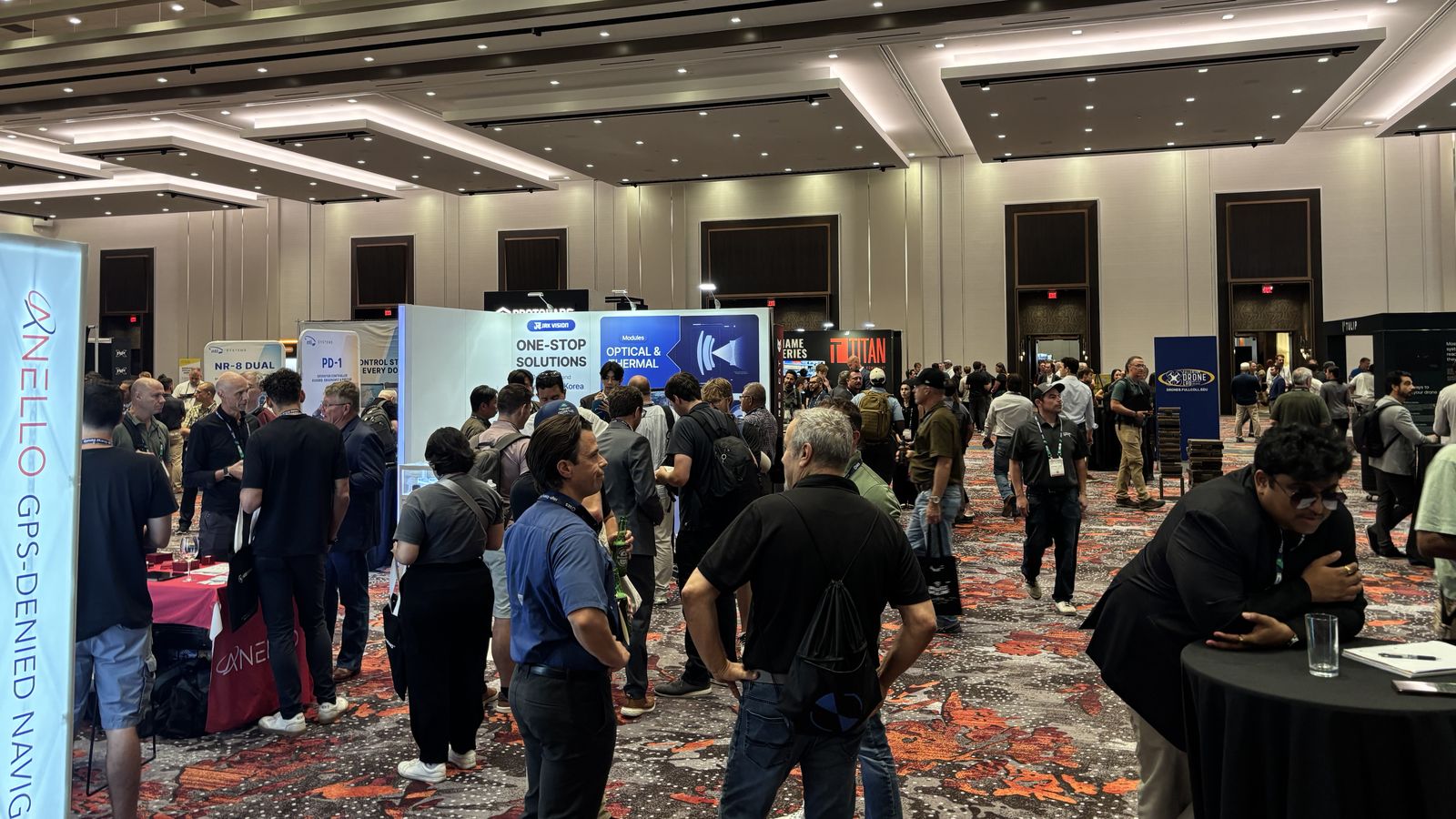
Commercial UAV Expo 2026 brought operators, aircraft manufacturers, technology providers, software companies, and other members of the commercial UAS community together at Caesars Forum in Las Vegas.
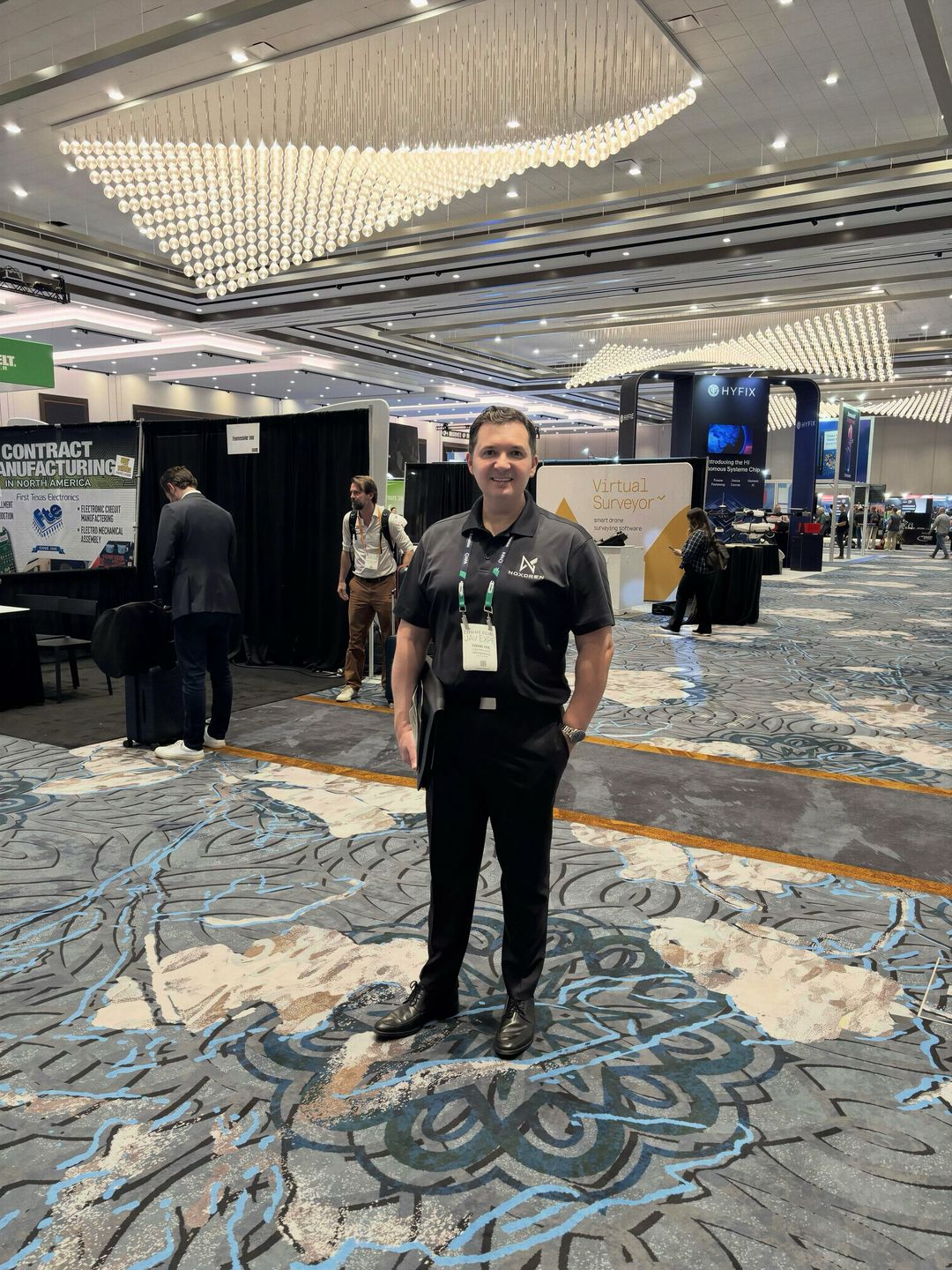
Noxdren founder and CEO Ermin Vila on the Commercial UAV Expo 2026 exhibition floor.
Noxdren founder and CEO Ermin Vila attended the event to meet teams working across the industry, examine emerging aircraft and enabling technologies, and discuss how mission performance can be evaluated before an aircraft leaves the ground.
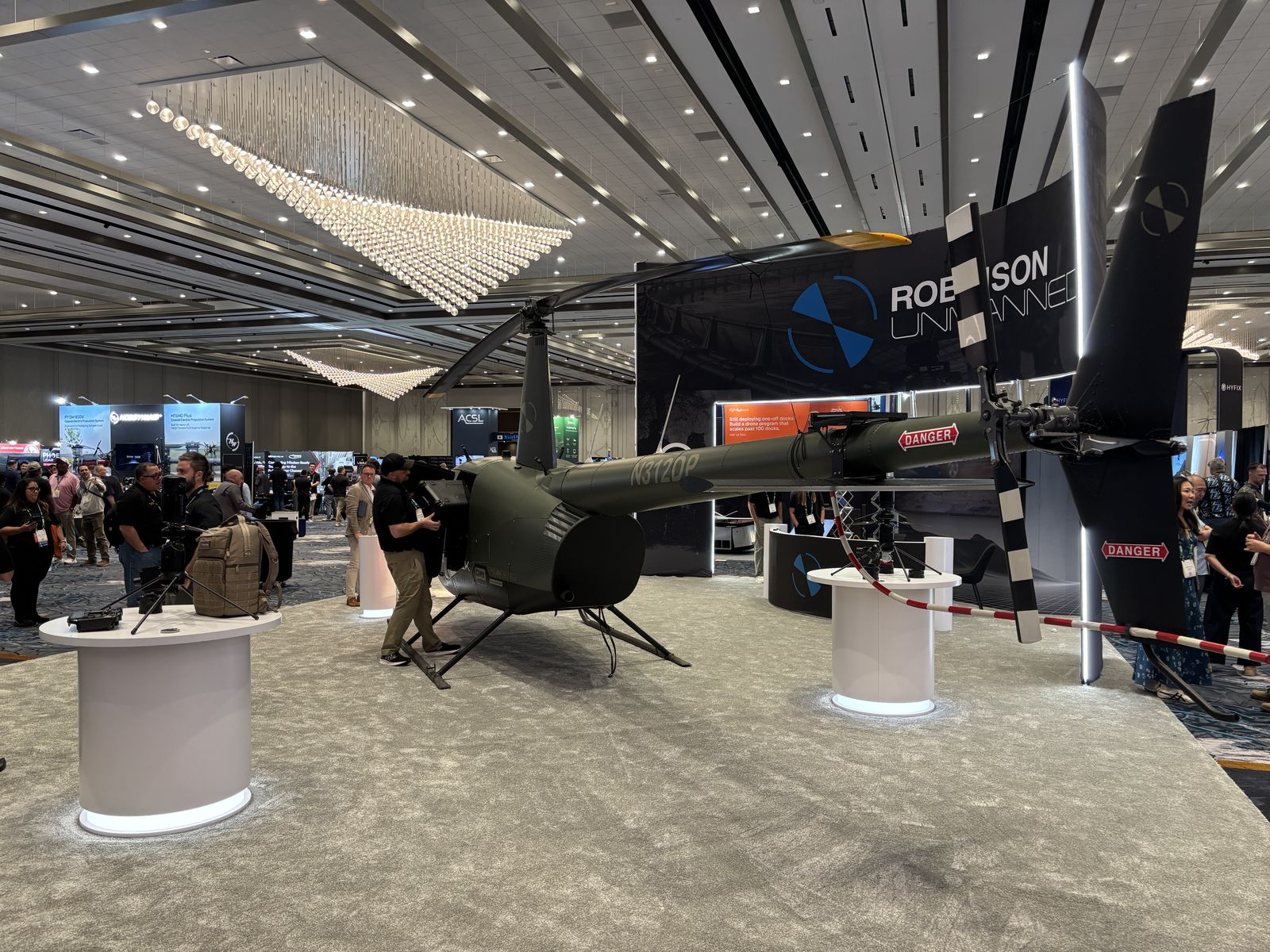
Across the exhibition floor, one point was unmistakable: there is no single typical UAS mission. The aircraft on display ranged from multirotors and fixed-wing VTOL systems to autonomous and heavy-lift platforms. Each configuration introduces different performance considerations, while every proposed operation is shaped by its aircraft, payload, route, weather, terrain, battery state, and reserve requirements.
The Expo brought together organizations working across aircraft, software, autonomy, navigation, and UAS operations.
As missions become longer, more specialized, and more autonomous, evaluating them before dispatch requires more than a nominal range or endurance figure. Operators and technology teams need mission-specific analysis that considers how conditions interact across the route and how much operating margin remains for the planned return.
Aircraft on display reflected the growing range of platform configurations and mission profiles.Autonomy, positioning, communications, and onboard computing were prominent themes across the exhibition.
This is the problem Noxdren is built to address.
The Noxdren API evaluates proposed UAS missions using aircraft, route, payload, environmental, battery, and reserve inputs. It returns structured results for predicted battery consumption, mission duration, return-to-home requirements, reserve margins, and mission feasibility. These results can support integration with flight-planning, autonomy, fleet-management, and enterprise systems.
RangeSight presents Noxdren's mission-analysis capabilities in an operator-facing application, helping users evaluate proposed missions before dispatch while keeping the relevant inputs and results visible.
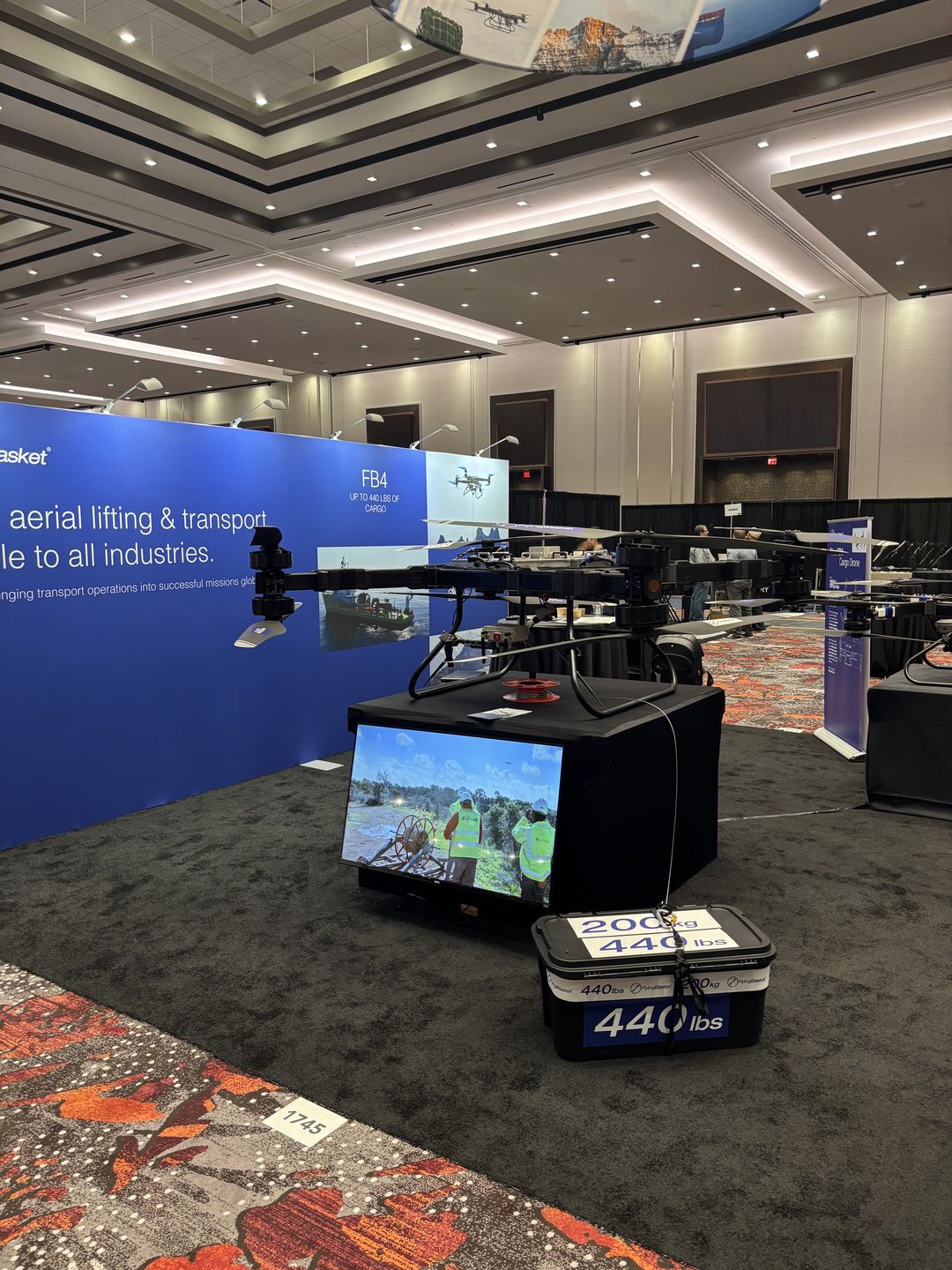
Heavy-lift platforms illustrate how payload and mission profile can materially change performance and reserve requirements.
Commercial UAV Expo provided a valuable opportunity to learn from the broader UAS community and consider how pre-dispatch mission intelligence can complement the systems operators already use.
Thank you to the organizers, exhibitors, speakers, and attendees who made the event worthwhile. We look forward to continuing these conversations and helping UAS teams make more informed planning decisions before launch.
Explore Noxdren
Learn more about the Noxdren API, explore RangeSight, or contact us to discuss a representative mission scenario.
RangeIQ+ API: terrain data transparency and strict terrain mode
Mission analysis now reports the provenance of every elevation value it uses — whether each waypoint's terrain came from a live lookup, cache, or a documented fallback — in the response's data_sources block. A new terrain_policy option lets integrators choose how the engine behaves when elevation data is unavailable: "warn" (default) completes the analysis with explicit disclosure, while "fail" returns a retryable error instead of producing results on substituted terrain. Numerical results for missions with successful terrain lookups are unchanged.
The Python SDK (v0.2.0, on PyPI) adds typed support for the new option; the Java and .NET SDKs support it without changes. Details in the API reference and error documentation.
Event · Sept 1-3, 2026
We'll be at Commercial UAV Expo 2026.
Noxdren is heading to Commercial UAV Expo in Las Vegas, with our founder on the floor all three days, September 1 to 3, 2026. If you build or operate UAS mission-planning, GCS, autonomy, OEM, integration, fleet, or advanced operational systems, come find us. We would like to hear how your team evaluates mission performance today, and show you how the Noxdren analytical engine could fit into your stack.
Planning to be there? Reach out ahead of time and we will set aside time to meet in Vegas.
The Noxdren API opens the same mission-performance engine used by RangeSight to developers and UAS software teams. RangeIQ provides point-to-point range-envelope analysis, while RangeIQ+ provides full multi-leg mission-performance and energy analysis that can be integrated directly into existing flight, fleet, planning, and enterprise workflows.
Recent milestones
Live in production. The Noxdren API is serving real traffic at api.noxdren.com, available to developers, integrators, and UAS teams evaluating mission-performance analysis through the API.
SDKs shipping. Client libraries are live for Python (PyPI) and Java (Maven Central), with a .NET (NuGet) client available for early access. Install and make your first call in minutes.
Full documentation. The complete API reference, quickstarts, and worked integration examples are at docs.noxdren.com.
A developer dashboard. Sign up, manage API keys, track usage, and handle billing in one place at app.noxdren.com.
Public, real-time status. System health, latency, and incident history are open for anyone to check at status.noxdren.com.
Developer evaluation access. A 14-day trial and self-service onboarding let teams evaluate the API and make initial calls without a sales process.
Alongside RangeSight, the Noxdren API makes mission-specific performance analysis available as an embeddable analytical layer for UAS software and advanced operational workflows. The roadmap continues to expand aircraft coverage, integration options, and enterprise deployment support.